Family 03 · Premium custom crystalline
Custom Crystalline Panels Built Into Your Product
High-end crystalline panels engineered into the product itself — cut, laminated and potted to fit the housing, so the panel becomes part of the industrial design rather than an accessory bolted on afterwards.
This is the route for premium devices: a pool-cleaning robot whose lid is the panel, a sensor housing with a curved top face, a charger whose cover generates. Integrating the panel removes the charging port, the cable and the external adapter — which is what makes a wireless, low-voltage-safe product possible in the first place.
- Design-in, not add-on
- Wireless by design
- Low-voltage safe
- Custom shapes
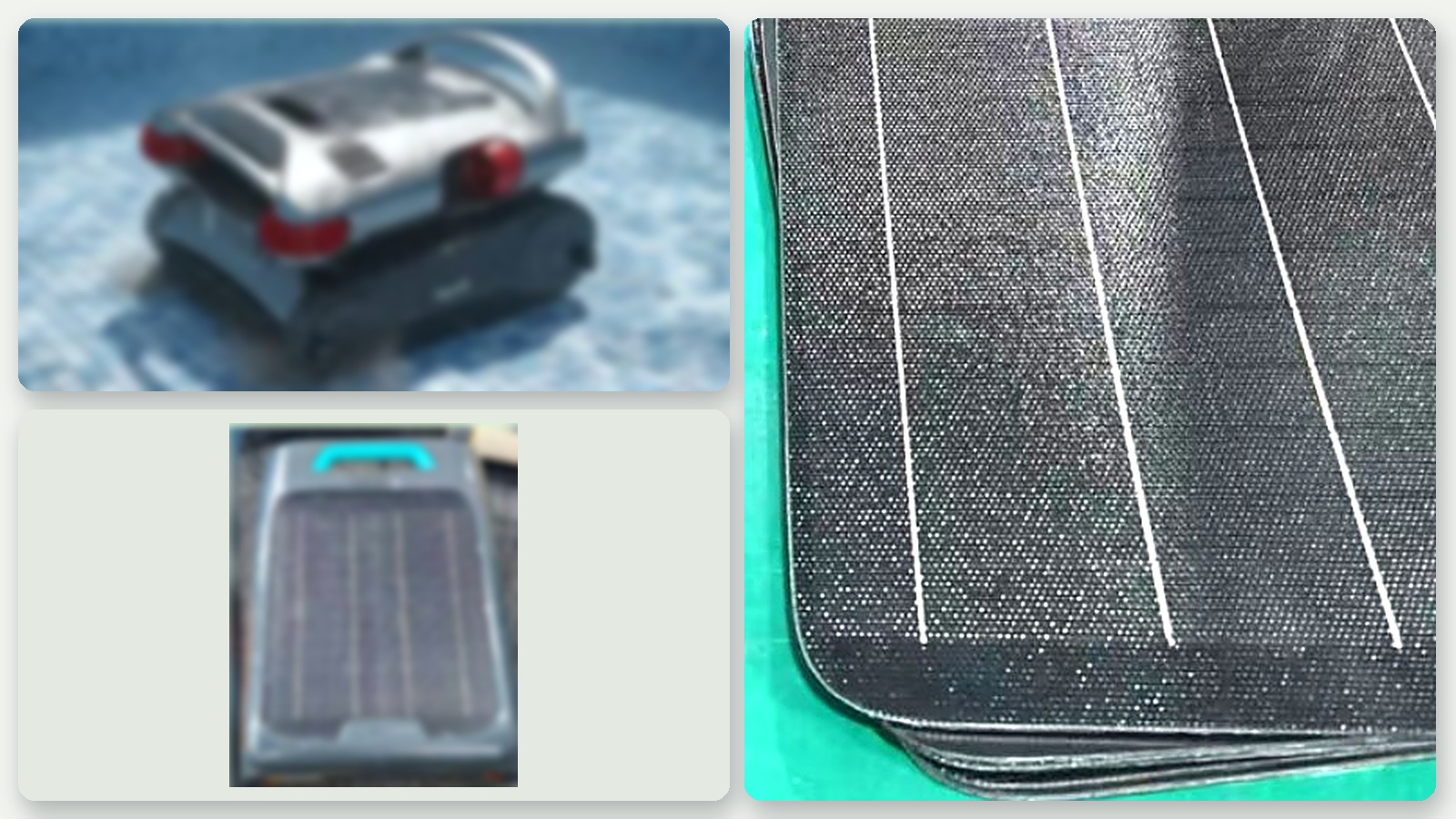
Specifications
| Cell type | Mono PERC / TOPCon, cut to shape |
|---|---|
| Format | Curved, stepped, drilled or die-cut |
| Lamination | ETFE or glass, potted to housing |
| Voltage | Matched to your charging circuit |
| Connector | Pogo pin, wire leads or FPC |
| Tooling | Laser cutting to drawing, no hard mould for most shapes |
| Sample lead time | 7–12 working days |
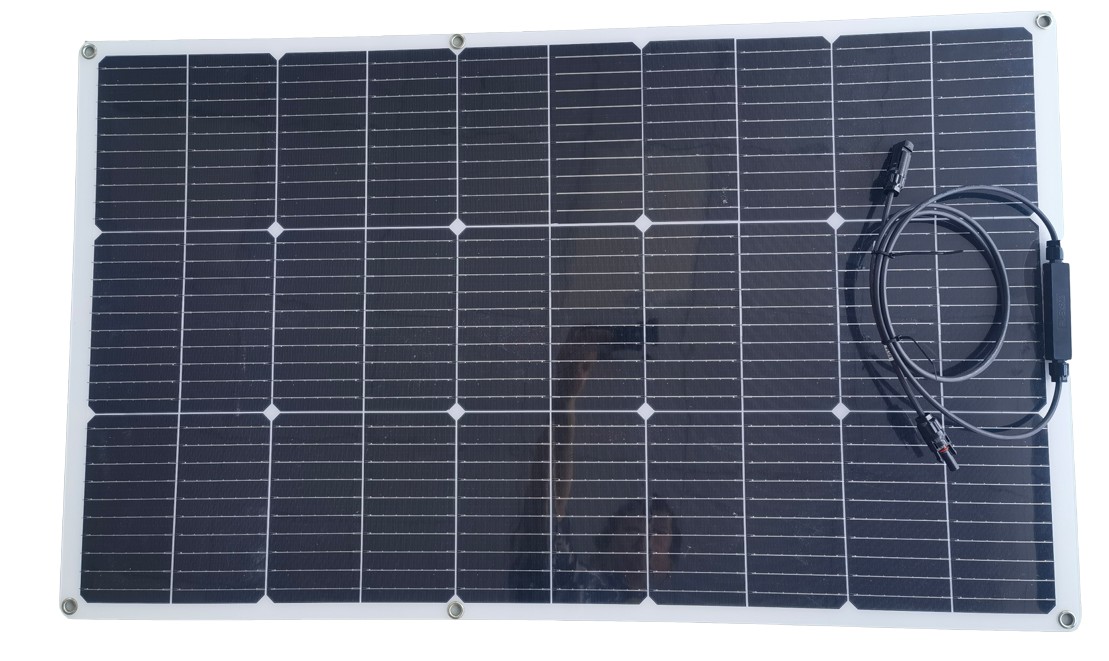
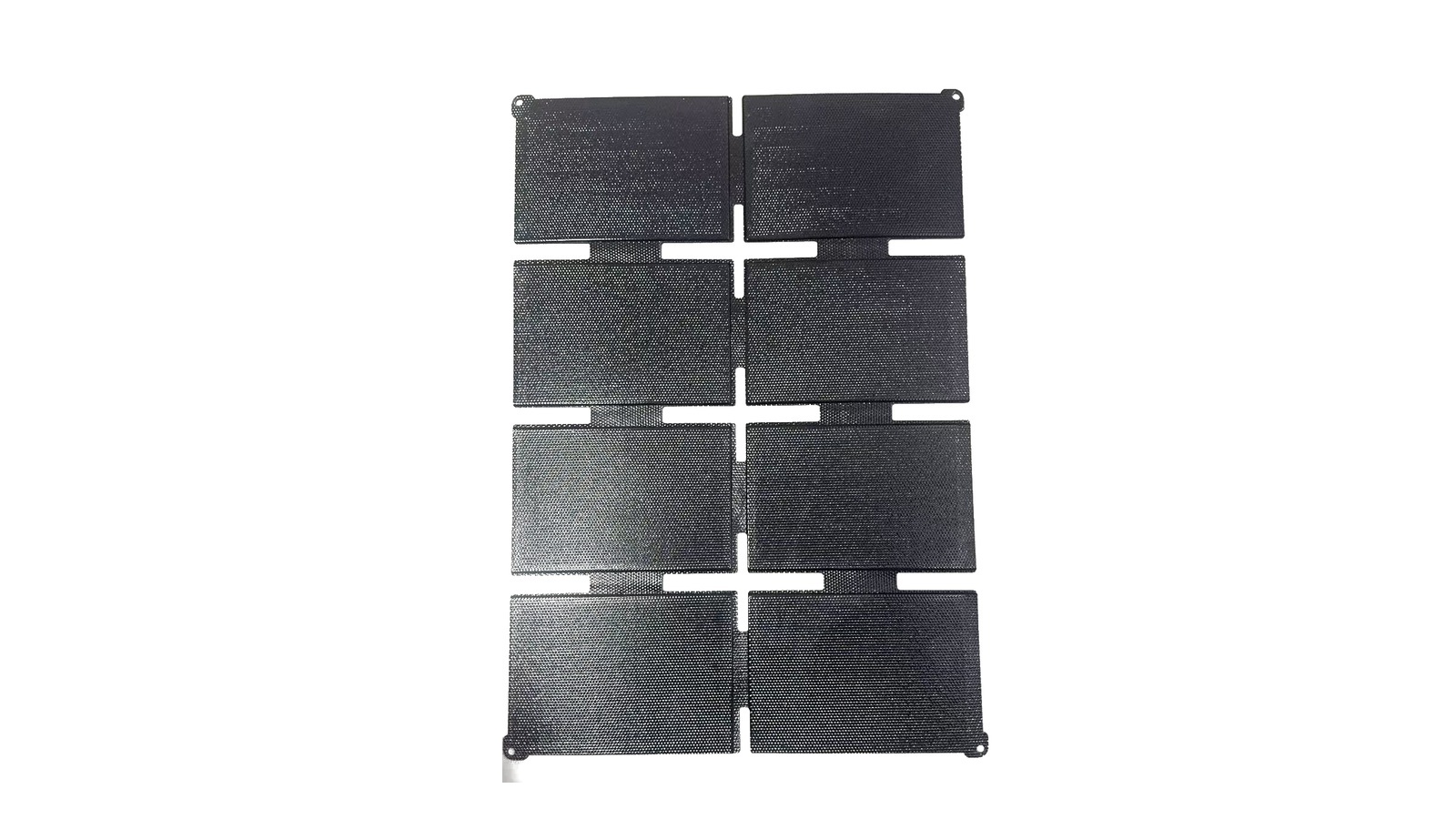
Electrical values at STC (1,000 W/m², AM 1.5, 25 °C). Photographs are representative of the series; the shipped appearance follows the datasheet.
Where it goes
- Pool and floor-cleaning robots
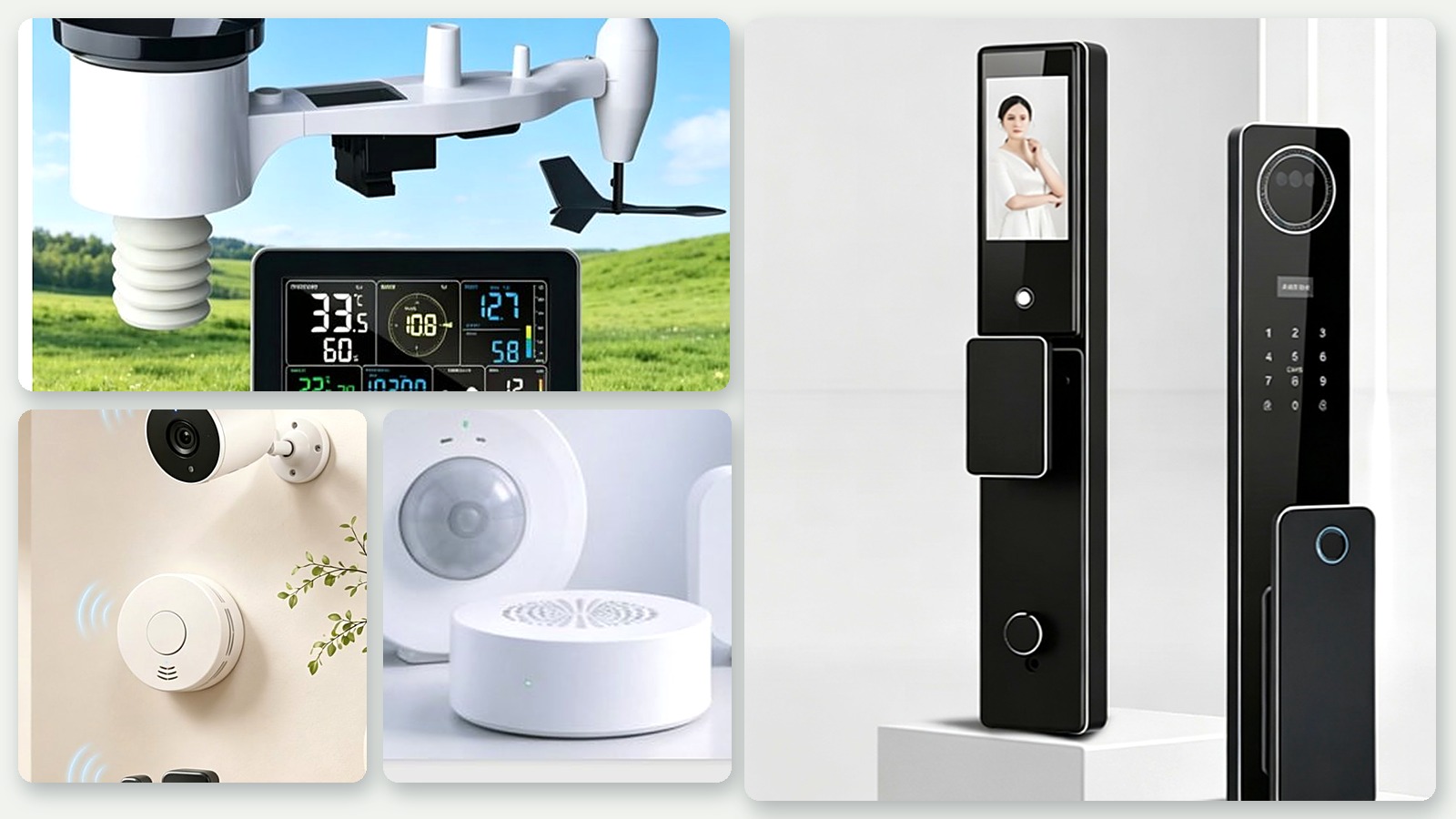
- Smart locks and doorbell cameras
- Portable chargers and power banks
- Outdoor sensors and asset trackers
Custom options
Send the housing drawing, the available surface, the charging voltage and the target price. We return a cell layout, a lamination plan and a sample schedule — usually a 3D step file first, then a physical sample.
When the roof itself is the shape
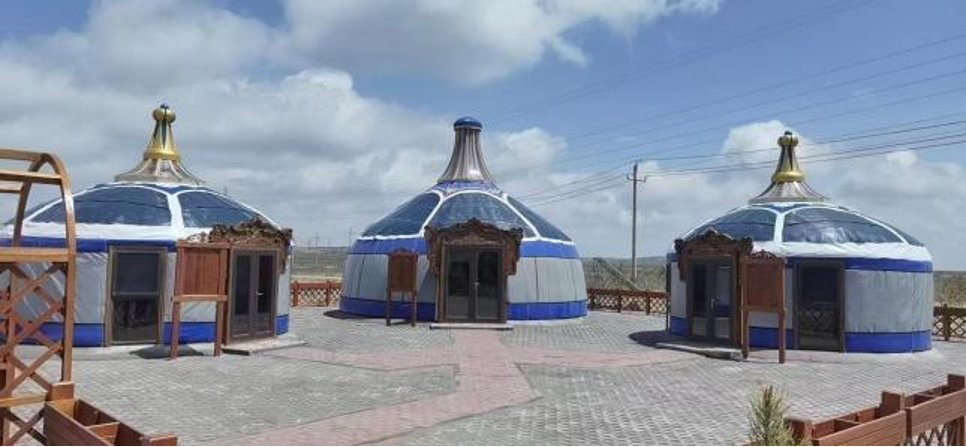
Some projects go further than a panel on a product. On glamping domes and yurts, glass modules are cut into the roof segments themselves — the cone becomes the array, wired as one string into the building's battery room.
Below: three yurts whose conical roofs carry custom-cut crystalline segments. The pattern follows the roof geometry, not a standard module size.
Questions buyers ask
Can the panel follow a curved housing?
Yes, within limits. Gentle single-axis curvature is standard; compound curvature needs a smaller cell format. Send the CAD and we will tell you what is achievable before tooling.
How do you handle waterproofing?
The laminate is potted into the housing with the same IP-rated process used on the outdoor range; the junction area is sealed separately. Tell us the IP target for the finished device.
What volumes make a custom panel worthwhile?
Tooling is amortised at quotation. Below a few hundred units the setup dominates the price — but for a premium device the panel usually replaces a charger, a port and a cable, so the system cost often falls.
Send the requirement, get a line price
Tell us the application, the wattage, the dimensions and the destination market. A recommended configuration, the factory behind it and a price come back within three working days — and you can visit the line that would run your order.