Application · IoT & smart devices
Solar power for IoT sensors — no more battery swaps
A sensor that has to be opened every year to change batteries is a sensor that stops being maintained. A panel cut to the enclosure — indoors or out — keeps the device alive for its whole service life.
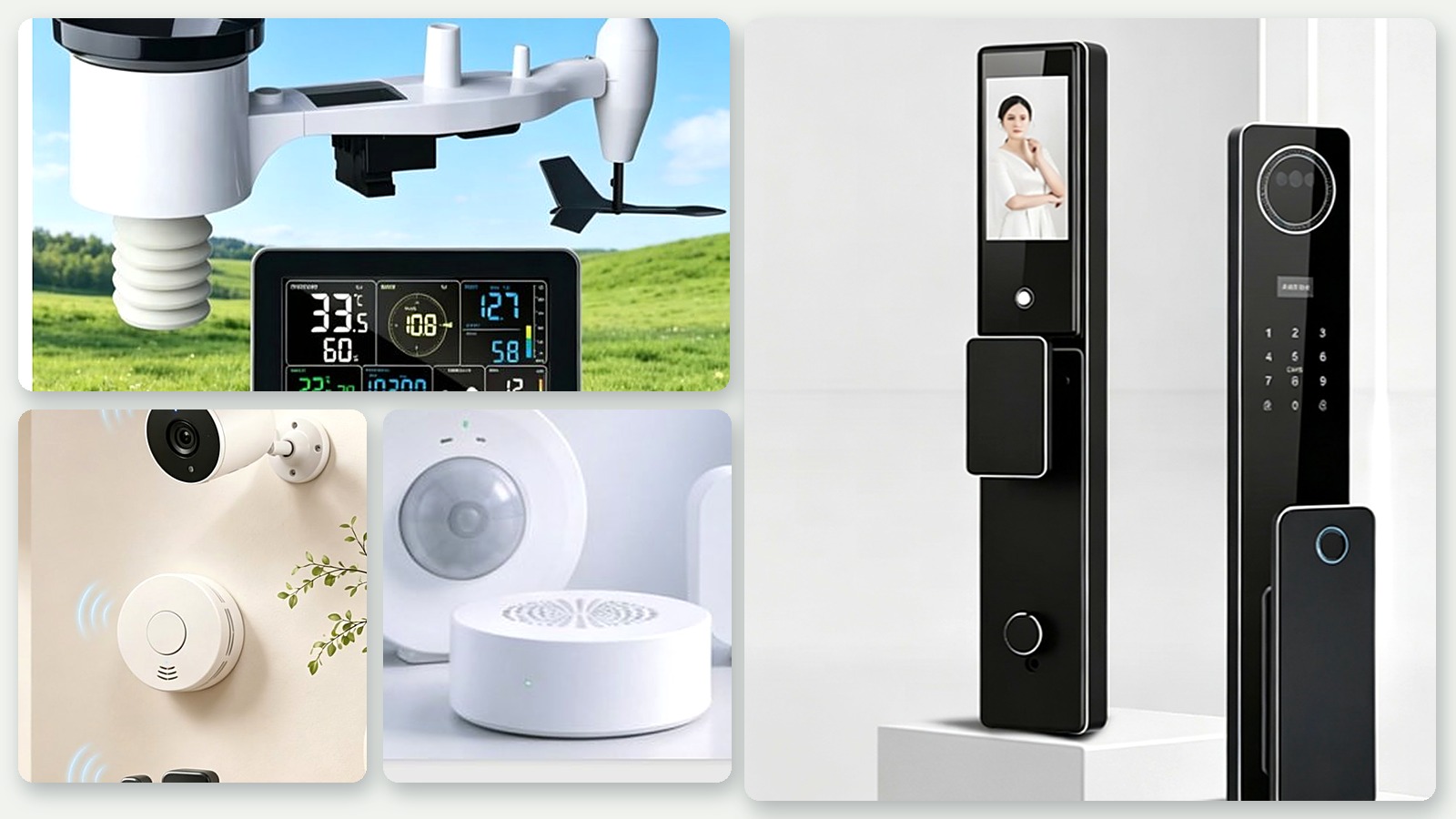
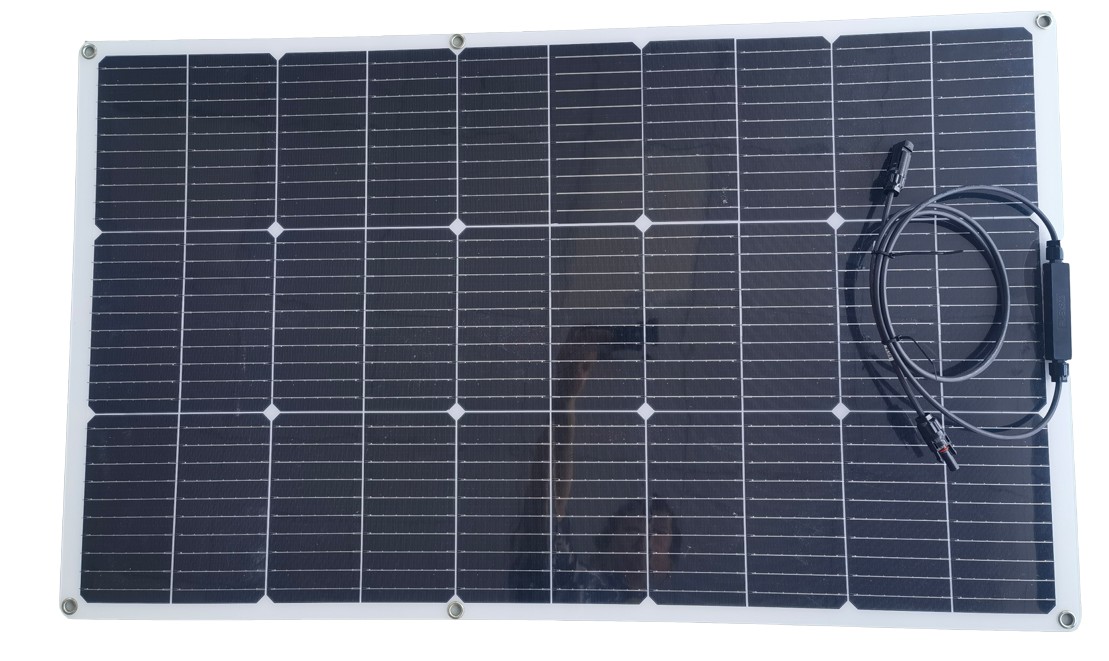
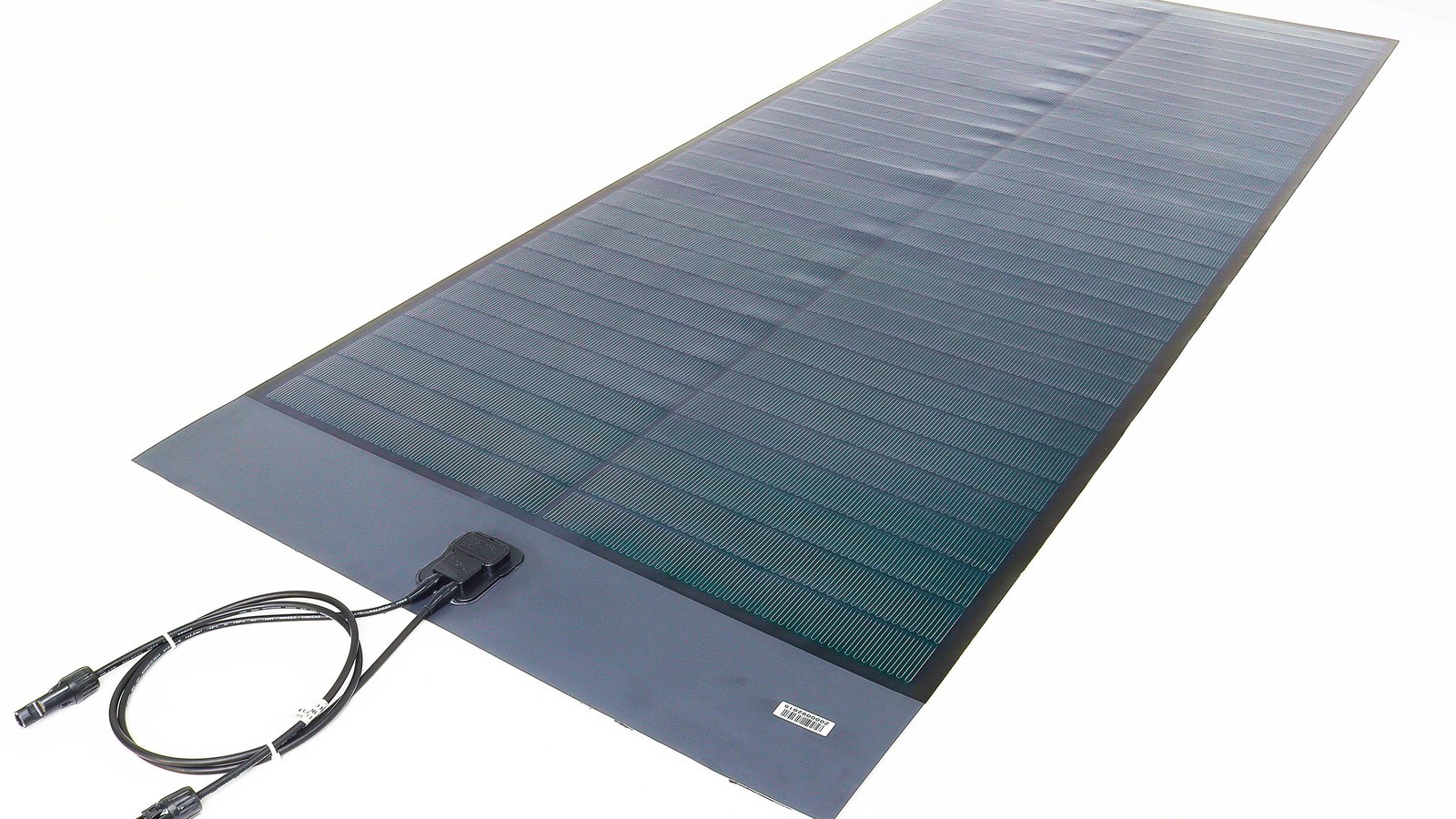
The panel is chosen by the light the device actually lives in. Indoors — smart locks, meters, electronic shelf labels, warehouse and greenhouse sensors — perovskite modules generate under diffuse room light where crystalline cells barely move. Outdoors — trackers, weather stations, gateways, cameras — micro crystalline laminates and CIGS take over, with CIGS wherever the surface bends or vibration would crack a silicon cell.
- Indoor low-light
- Cut to your enclosure
- Unusual shapes
- Battery-buffered design
- 12 W micro modules up
Send the power budget, duty cycle and the enclosure surface — we return the matched technology, a cell layout and a price by email.

Built around the device
- Size follows the enclosure — cut to the drawing, including curved and irregular shapes
- Voltage to match — cell count and junction configured for the charging circuit you run
- Light conditions — perovskite for indoor lux, crystalline or CIGS for outdoor sun
- Integration — adhesive backing, connectors and lead length set to your assembly line
- Proven use — smart locks, weather stations, security cameras and sensor nodes already running on these panels
Why device makers come to us
A stock panel rarely fits an enclosure, and the wrong technology dies indoors. We match the technology to the light the device lives in, cut the panel to your drawing, and quote at the line price — the factory is named before you commit.
If the power budget is better served by a different cell technology, that is what we quote. We are not tied to one line.
What we need to quote
Everything project-specific is settled by email or at the factory — the website carries the standard ranges only.
- Device power budget and transmit duty cycle
- Where it operates — indoor lux level or outdoor exposure
- Available surface on the enclosure, with dimensions
- Output voltage and the charging circuit
- Expected annual volume
From spec to sample
Send the five points on the left and we come back with the matched technology, a cell layout for your enclosure and a quotation. Samples are built to the same drawing as the series, and you are welcome to visit the factory before committing.
For devices targeting regulated markets, tell us the destination country and the applicable certification is confirmed before you order.
Questions device makers ask
Can a panel really charge a sensor indoors?
Yes — that is what the perovskite route is for. Perovskite cells respond to the diffuse, low-intensity light of offices, warehouses and greenhouses, where a crystalline cell produces very little. The panel is paired with your battery and duty cycle so the energy math closes before sampling.
How small can the panel be?
Panels are cut to the drawing, so size follows the enclosure, not a stock list. Send the available surface, voltage and power budget and we return a layout that fits — including curved and irregular shapes.
Does the device still need a battery?
Usually yes, as a buffer. The panel keeps it topped up so the device is never opened for a swap. For low-duty devices the panel plus a small cell covers the whole service life.
Which technology for an outdoor sensor?
Micro crystalline laminates from 12 W and CIGS on stainless foil. CIGS wherever the surface bends, vibration is present, or reliability outweighs cost.
What about certification for regulated markets?
Tell us the destination market and the applicable certification is confirmed with the producing factory before you order.
Send the power budget, get the panel
Power budget, duty cycle, light conditions and the enclosure surface are enough to start. We reply with the matched technology, a cell layout and a line price — and you are welcome to visit the factory before you commit.